Trauma-Focused Therapy When Stability Isn’t Possible
This half-day workshop explores how to deliver trauma-focused therapy with children whose lives are shaped by ongoing adversity, instability, or system disruption as often experienced by young people in care.
About this workshop
Led by childhood trauma expert and Consultant Clinical Psychologist David Trickey, alongside Consultant Clinical Psychologist Dr Charlie Strong, Clinical Psychologist Dr Amy McMillan, and Link Nurse Therapist Karra Fife, this half-day workshop examines how trauma-focused cognitive behavioural therapy (TF-CBT) can be delivered when relational stability is limited or absent.
Through a jointly presented case study, speakers will explore TF-CBT work undertaken with a young person who had no stable caregiving relationship to support the process. The session looks at how existing trusted relationships can be used to support trauma narration, offering contextual and factual scaffolding and enabling emotional safety throughout the work. This case also invites reflection on how "piggybacking" on an already trusted relationship can allow trauma-focused work to begin more quickly, without needing to first establish a parallel therapeutic attachment.
Participants will explore how to apply core therapeutic principles flexibly, while making clinically and ethically sound decisions about pacing, caregiver involvement, and whether to adapt, pause, or proceed with trauma processing.
Drawing on decades of clinical experience from complex trauma pathways and research, the session will support practitioners to balance fidelity to evidence-based models with the realities of complex contexts, and to reflect on their own professional thresholds when safety cannot be fully established.
Please note that this event will not be recorded.
Aims of this workshop
By the end of this workshop, participants will be able to:
use core principles of trauma-focused therapies flexibly when children’s lives are marked by ongoing adversity, instability, or system disruption
make clinically and ethically informed decisions about when to adapt, pause, or proceed with trauma processing
identify and justify key adaptations to pacing, caregiver involvement, goals, and endings in complex contexts
hold fidelity and flexibility together, without feeling they have to abandon evidence-based practice
reflect on their own thresholds and limits when working with children whose circumstances cannot be “made safe” by therapy alone.
Who is this workshop for?
This workshop would be best suited for mental health professionals working with children and young people who have experienced trauma.
Agenda
09:30 - 09:45: Welcome and introduction to UK Trauma Council
09:45 - 10:20: Presentation by David Trickey: Trauma-focused cognitive behavioural therapy (TF-CBT) and adaptations
10:20 - 11:00: Presentation by Amy McMillan: When stability never came: adapting TF-CBT for a care-experienced young person
11:00 - 11:15: Break
11:15 - 11:55: Presentation by Karra Fife and Charlie Strong: Borrowed trust: delivering TF-CBT in the absence of stable caregiving
11:55 - 12:25: Q&A
12:25 - 12:30: Closing remarks
12:30: End
Speakers
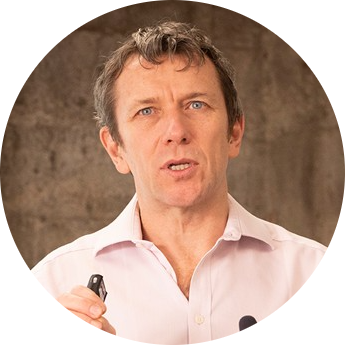
David Trickey
Consultant Clinical Psychologist and Co-Director of the UK Trauma Council

Dr Amy McMillan
Clinical Psychologist
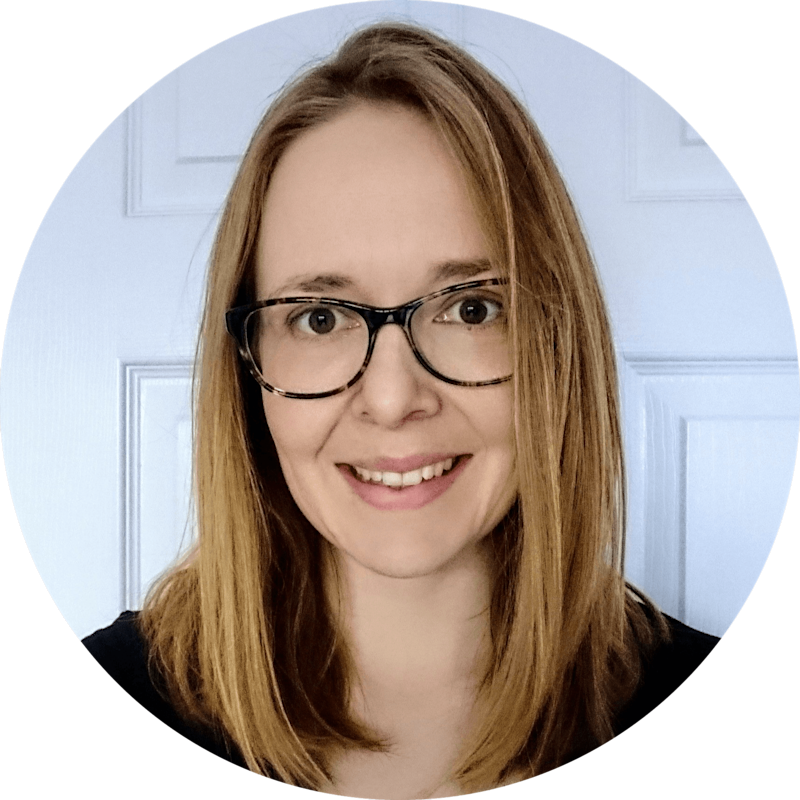
Dr Charlie Strong
Consultant Clinical Psychologist
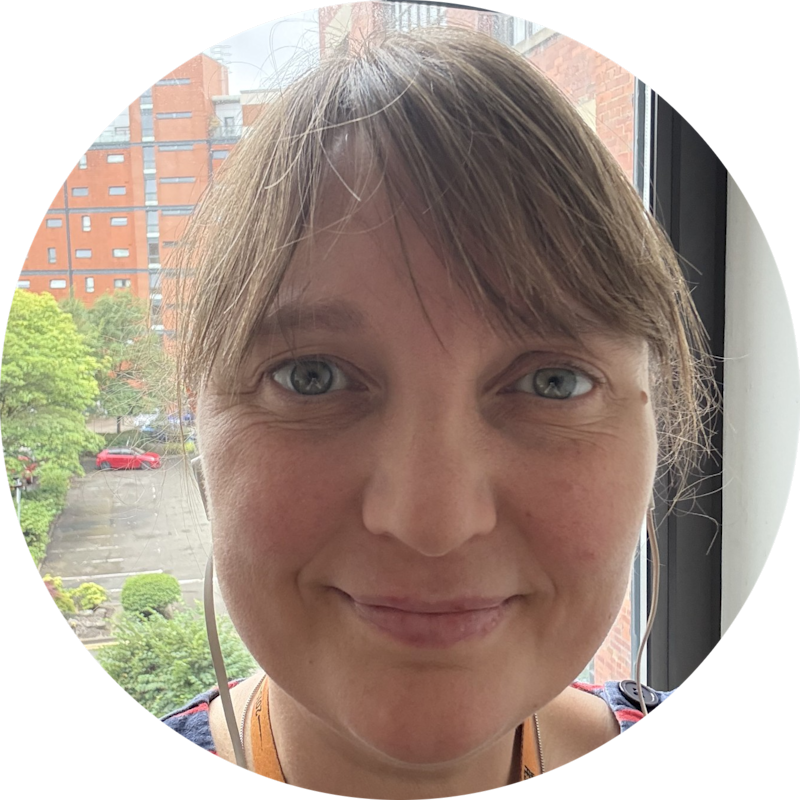
Karra Fife
Link Nurse Therapist
-
David Trickey
David Trickey is a leading Consultant Clinical Psychologist and Co-Director of the UK Trauma Council. He has specialised in working with traumatised children, young people, and their families since 2000, particularly following domestic abuse and family homicide. He continues to focus on direct clinical work, as well as the training, supervision and support of others and is the clinical team lead for a specialist service for Children in Care. He presents at conferences and supervises research. He is chartered by the British Psychological Society and registered with the Health and Care Professions Council. He was a member of the committee responsible for the 2018 revision of the NICE Guidelines for PTSD. In all of his roles he draws heavily on the research literature to which he has made a modest contribution.
Dr Amy McMillan
Amy McMillan is a Clinical Psychologist currently working in NHS Tayside CAMHS, with over ten years’ experience across CAMHS and specialist services for care experienced young people (CEYP). She has significant experience providing supervision, consultation, and training to colleagues across Health, Social Work, and residential care settings.
Amy has a particular interest in working with children and young people who are care experienced, or on the edge of care, and who often present with complex life experiences and presentations, including complex PTSD. Within her clinical work, she delivers trauma‑focused therapeutic work safely and thoughtfully, often in the context of imperfect stability and ongoing challenges. She is particularly interested in how trauma‑focused work can remain ethical and effective when ideal conditions for therapy are not possible.
Dr Charlie (Charlotte) Strong
Charlie is a Consultant Clinical Psychologist working within the Complex Trauma Team within NHS Greater Glasgow and Clyde CAMHS, where she specialises in delivering trauma-focused therapy to children and young people with complex trauma presentations in this Tier 4 specialist service. She holds a Doctorate in Clinical Psychology and is registered with the Health and Care Professions Council.
With over fourteen years of clinical experience, Charlie is trained in Trauma-Focused Cognitive Behavioural Therapy (TF-CBT) and Mentalization-Based Treatment for Adolescents (MBT-A). Her work focuses particularly on care-experienced young people and those living in unstable or unsafe home environments — populations for whom waiting for stability before offering therapy is rarely a realistic, or equitable, option.
Charlie has led the implementation of the Scottish Government’s National Psychological Trauma Training Plan across NHS GGC CAMHS, supporting clinicians to develop confidence and competence in trauma-informed and trauma-focused practice.
Karra Fife
Karra Fife is a Link Nurse Therapist currently working within Glasgow CAMHS. With more than 20 years of experience in child and adolescent mental health services. Her current work focuses on young people with complex trauma histories, particularly those who are looked after and accommodated in residential children's houses or living in kinship care placements. Karra has a particular interest in trauma-informed practice and in developing therapeutic approaches that meet the needs of young people whose experiences of adversity can make engagement and stability especially challenging.
-
We are committed to making our training and events accessible and inclusive for all participants. During the booking process, you will be prompted to share any additional requirements or reasonable adjustments you may require. If you would prefer, you can also contact us directly at training@annafreud.org.
-
Zoom will be used to deliver online training. Prior to booking, please ensure you meet the system requirements so you can join this training session.
To test your equipment visit Zoom.us/test and follow the instructions.
-
Upon booking, you will be asked to confirm that you have read and accept our terms and conditions and our privacy notice. Please read these documents before booking:
UK Trauma Council Newsletter
Join the UKTC mailing list to receive updates on conferences, events, and new resources.
You may also be interested in
-
What Shapes Children's Mental Health? Neurons to the Social World (Online)
Explore the latest research and approaches to prevention and early intervention as leading experts discuss how developmental science can improve support for children and young people.
-
What Shapes Children's Mental Health? Neurons to the Social World (In-Person)
Explore the latest research and approaches to prevention and early intervention as leading experts discuss how developmental science can improve support for children and young people.