UKTC Insight Series: The Interaction Between Trauma and Neurodivergence
When a young person is struggling with their mental health, has experienced trauma, and possibly neurodivergent too, where do we start? This webinar explores how to embrace complexity, not shy away from it, so we can support them more effectively.
About this webinar
This webinar will explore the complexity of the distinct but overlapping experiences of mental health, trauma and neurodiversity, looking at what the academic research tells us and how that translates to frontline practice through real-life case studies. Leading experts Professor Andrea Danese and Dr Ruchika Gajwani will share their insights, alongside Chair David Trickey and a young expert by lived experience.
This webinar is free to attend, thanks to funding from Connect, the UK Trauma Council's Community of Practice.
Aims of this webinar
To explore the epidemiology of trauma, post-traumatic stress disorder (PTSD) and autism in children and young people.
To unpack the double jeopardy model - the "double risk" young people can experience when they are both neurodivergent and trauma exposed.
To enhance confidence in supporting the mental health of young people who are neurodivergent and trauma exposed.
Who is this webinar for?
This webinar is suitable for any cross-sector professionals working with children and young people who may have experienced trauma.
Speakers
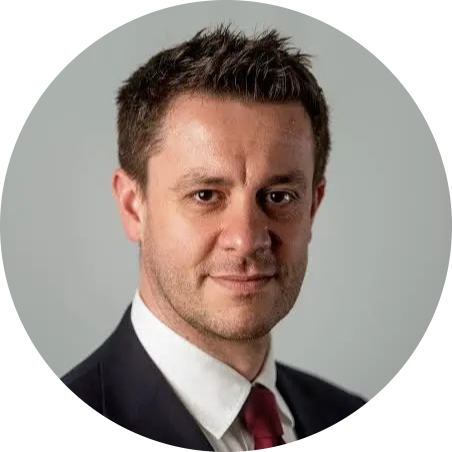
Professor Andrea Danese
Professor of Child & Adolescent Psychiatry

Dr Ruchika Gajwani
Senior Research Fellow in Clinical Psychology and co-director of the Centre of Developmental Adversity and Resilience (CeDAR)
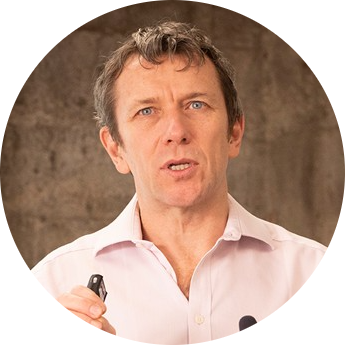
David Trickey
Consultant Clinical Psychologist and Co-Director of the UK Trauma Council
-
Professor Andrea Danese
Andrea Danese is Professor of Child & Adolescent Psychiatry at the Institute of Psychiatry, Psychology and Neuroscience, King’s College London. Research from his team has led to highly-cited publications on the measurement of childhood trauma, risk factors for trauma exposure, biological mechanisms through which trauma affects later health, mechanisms of resilience, modelling of individualised risk prediction for trauma-related psychopathology, and the epidemiology of child trauma and trauma-related psychopathology. Professor Danese is an active clinician working as Consultant Child & Adolescent Psychiatrist at the National & Specialist CAMHS Clinic for Trauma, Anxiety, and Depression, South London & Maudsley NHS Foundation Trust. He is the General Secretary of the European Society for Child & Adolescent Psychiatry (ESCAP), Chair of the Advisory Committee for the Canadian Institute for Advanced Research (CIFAR) Child & Brain Development Programme, and the Academic Secretary of the Association of Child & Adolescent Mental Health (ACAMH).
Dr Ruchika Gajwani
Ruchika Gajwani is a Senior Research Fellow in Clinical Psychology and co-director of the Centre of Developmental Adversity and Resilience (CeDAR) with Professor Helen Minnis at the University of Glasgow. Engaging substantially in the model of early intervention and prevention, she is leading complex clinical trials in adolescent mental health for some of the most vulnerable and excluded children and young people. Through partnership working and collaborations, she is building a research portfolio on innovative solutions, scaling up proven treatments, and ensuring they reach those who need them most.
Her research focus for the last twenty years has been on developing pathways for understanding risk and resilience within marginalised, high-risk children and young people. She has conducted genetic, longitudinal and qualitative research on the role of developmental adversities and neurodevelopmental conditions on health outcomes.
With the prestigious MQ fellowship, her work is focussing on knowledge mobilisation and scaling community based interventions for young people with complex unmet needs, such Borderline Personality Disorder features (BRIDGE project). Along with Professor Minnis, she is involved in building service pathways in Scotland and shaping policy around neurodiversity, trauma to reduce health inequalities for children and families. Their recent NIHR programme grant ‘It Takes a Village’ will be looking at identifying and preventing severe mental illness through a task-sharing approach with community and lay practitioners across Scotland and England.
Recent and current projects have been funded by the Medical Research Council, NHS Greater Glasgow and Clyde, NHS Ayrshire & Arran, CSO – Scotland, UNHCR, MQ and Rosetrees Trust, Why Not Trust, NIHR programme grant.
David Trickey
David Trickey is a leading Consultant Clinical Psychologist and Co-Director of the UK Trauma Council. He has specialised in working with traumatised children, young people, and their families since 2000, particularly following domestic abuse and family homicide. He continues to focus on direct clinical work, as well as the training, supervision and support of others and is the clinical team lead for a specialist service for Children in Care. He presents at conferences and supervises research. He is chartered by the British Psychological Society and registered with the Health and Care Professions Council. He was a member of the committee responsible for the 2018 revision of the NICE Guidelines for PTSD. In all of his roles he draws heavily on the research literature to which he has made a modest contribution.
-
We are committed to making our training and events accessible and inclusive for all participants. During the booking process, you will be prompted to share any additional requirements or reasonable adjustments you may require. If you would prefer, you can also contact us directly at training@annafreud.org.
-
Zoom will be used to deliver online training. Prior to booking, please ensure you meet the system requirements so you can join this training session.
To test your equipment visit Zoom.us/test and follow the instructions.
-
Upon booking, you will be asked to confirm that you have read and accept our terms and conditions and our privacy notice. Please read these documents before booking:
UK Trauma Council Newsletter
Join the UKTC mailing list to receive updates on conferences, events, and new resources.
You may also be interested in
-
Adolescent Mental Health in the Digital Age (In-Person)
Join us for our 47th International Psychoanalytic Child Psychotherapy Colloquium, where we'll examine the realities of adolescence in the digital age and reflect on culture, clinical ris...
-
Adolescent Mental Health in the Digital Age (Online)
Join us for our 47th International Psychoanalytic Child Psychotherapy Colloquium, where we'll examine the realities of adolescence in the digital age and reflect on culture, clinical ris...
-
Mentalization-Based Treatment for Adolescents (MBT-A)
Explore Mentalization-Based Treatment for Adolescents (MBT-A), a proven approach addressing a spectrum of mental health needs in adolescents.