Senior Wellbeing Practitioner, PG Dip
A two-year, part-time postgraduate diploma for qualified children and young people’s wellbeing practitioners (CWPs) and educational mental health practitioners (EMHPs) to develop advanced clinical and supervision skills.
Key dates
Applications close: November 2026.
Teaching begins: January 2027.
Programme overview
The Senior Wellbeing Practitioner (SWP) Programme, commissioned by NHS England, develops the careers and employability of practitioners who have completed Children and Young People’s Mental Health Low-Intensity Trainings (formerly CYP IAPT).
It supports the NHS Long Term Plan and Green Paper commitments by extending access to mental health support for specific groups of young people, enhancing the skillset of CWPs and EMHPs, and increasing supervision capacity in services.
Children and young people's mental health service managers can find out more about nominating a candidate for this course.
Course details
UCL and KCL are jointly commissioned to deliver these training programmes across London, the South East and the East of England. January 2027 will see the fifth cohort of SWPs begin the diploma. The second year of the SWP course is closely aligned with the UCL PG Cert Supervision programme.
The Senior Wellbeing Practitioner course is a part-time postgraduate diploma completed over two years. Participants benefit from a range of learning opportunities:
Advanced clinical skills development helps broaden low-intensity practice.
Specialist training in supervision builds leadership capacity.
Career progression opportunities improve workforce retention and service stability.
Year one focuses on advanced knowledge and skills:
Participants study clinical presentations: OCD, trauma-informed practice, emotionally based school absence, self-harm and tics.
Low-intensity interventions for neurodivergent children, young people and families (including autism and learning disabilities) are also a focus.
Year two focuses on supervision skills:
Participants develop skills to supervise in-training and newly qualified low-intensity practitioners.
Models of supervision, competency frameworks and feedback tools are explored.
Alignment with the UCL PG Cert Supervision programme is also a focus.
Programme delivery
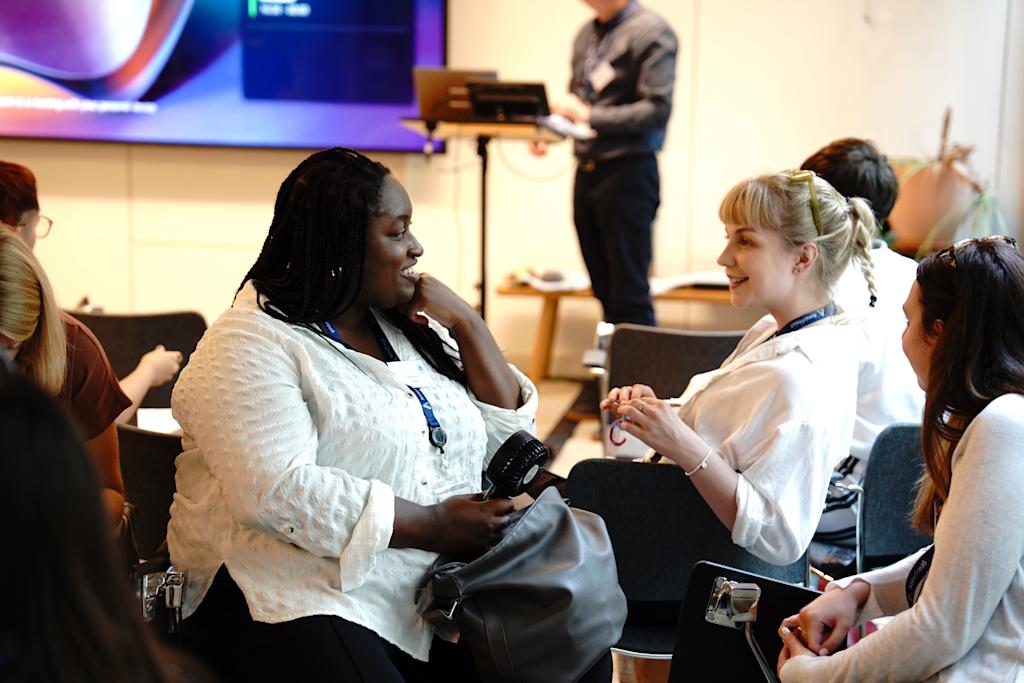
The SWP programme is delivered part-time over two years through a combination of university teaching, service-based practice and supervision:
Teaching includes face-to-face and online lectures to develop advanced clinical and supervision skills.
Small-group skills practice to consolidate learning and apply techniques to real-world cases.
Participants attend specialist workshops on topics such as obsessive compulsive disorder, trauma-informed care, emotionally based school absence and interventions for neurodivergent children and young people.
Supervision skills training is delivered in year two, aligned with the UCL PG Cert Supervision programme, including observation, feedback and competency assessment.
Throughout the course, participants remain employed within a children and young people's mental health service, applying new knowledge and skills directly in their work setting. This ensures learning is embedded in practice, supporting sustainable service change and leadership development.
Who can apply
The programme is open to graduates of one of the following:
If you have already completed CWP or EMHP Supervisor training (modules 1 and 2 of PG Cert Supervision), you will not need to repeat them. Credits may be transferred towards the PG Dip Senior Wellbeing Practitioner qualification via accreditation of prior learning.
Please contact the course team for more information: swp.admin@annafreud.org.
View the course guideHow to apply
You must apply for both the university-led training course and a role within a participating mental health service.
Speak to your service lead or manager if you are interested in a SWP training place.
If you are interested in applying for SWP training places for your service, you can find out more about the programme or contact cypptworkforce@annafreud.org.
Funding
The tuition fee is covered by NHS England. Services are required to cover the trainees’ salaries. This should be at Band 6 wherever possible.
-
UCL course guide
Download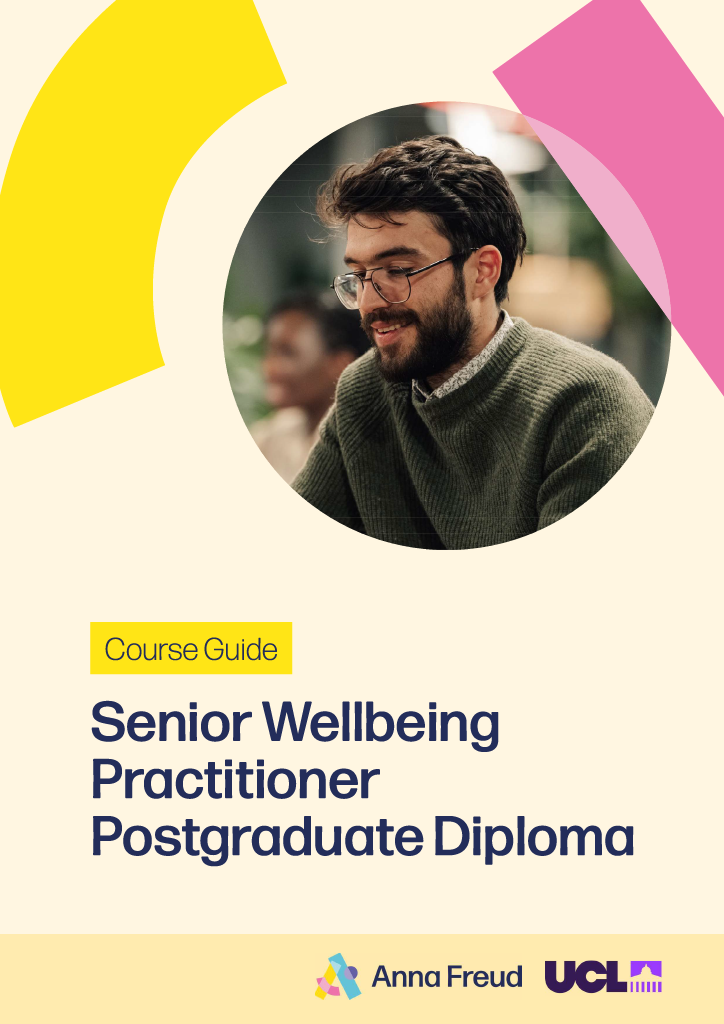
Take a closer look at the UCL programme, including course content, teaching structure and entry requirements.
In collaboration with:


You may also be interested in
-
UCL Postgraduate Programmes
Explore UCL postgraduate programmes at Anna Freud, combining cutting-edge research and clinical practice in child and adolescent mental health.
-
Supervision: Children and Young People’s Mental Health and Wellbeing Services programme
This PG Cert equips CYP mental health and wellbeing supervisors with the skills to support trainees and enhance practice through academic learning and applied supervision.

-
Bursaries and scholarships
Anna Freud are committed to training a new generation of researchers and practitioners who wish to pursue a career in the field of child mental health.